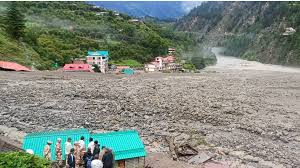
Monsoon nears mid-season: India sees 8% above normal rain, raises hopes for good kharif yield

India’s 2025 monsoon season has reached its halfway mark with a positive surprise — rainfall across the country is currently 8% above the long-period average (LPA). This surplus, reported by the India Meteorological Department (IMD), is boosting optimism for a strong kharif crop yield, which is essential for food security, rural incomes, and overall economic stability.
A Welcome Relief for Farmers
For millions of Indian farmers, especially those dependent on rain-fed agriculture, the monsoon is the most critical factor determining the success or failure of their crops. As of July 28, several key agricultural belts — including Madhya Pradesh, Maharashtra, Chhattisgarh, Odisha, and eastern Uttar Pradesh — have received consistent rainfall, leading to timely sowing and better crop establishment.
This year’s surplus is especially welcome after the erratic monsoon of 2024, which saw dry spells disrupt planting schedules in several regions. Now, the situation is much improved, with kharif crops like rice, maize, pulses, and oilseeds benefitting from the favorable conditions.
Strong Sowing Trends
According to data from the Ministry of Agriculture and Farmers Welfare, more than 83% of the target kharif sowing area has already been covered. In comparison to last year, this marks a significant improvement.
Paddy (rice) sowing, which is heavily dependent on rainfall, has surged in states like Bihar, West Bengal, and Assam. Pulse crops such as arhar (tur) and urad (black gram) have seen better coverage in rain-fed parts of Madhya Pradesh and Telangana. Soybean and groundnut, two major oilseed crops, are also doing well in Gujarat and Maharashtra.
If this momentum continues through August and early September, India may be on track for one of its most productive kharif seasons in recent years.
Impact on Food Inflation and Economy
A successful kharif harvest has far-reaching effects beyond farms. It can help lower food prices, especially for staples like rice, pulses, and vegetables. In recent months, India has seen rising food inflation, partly due to global supply chain disruptions and climatic uncertainties.
With this rainfall surplus, economists believe that the cost of food items may stabilize or even decline in the second half of 2025. This would come as a relief to households and help the Reserve Bank of India (RBI) in maintaining price stability.
Additionally, better farm output can boost rural demand, leading to higher sales of goods like tractors, fertilizers, seeds, and consumer items. This rural spending, in turn, supports India’s broader economic recovery.
Regional Rainfall Performance
So far, central and western India have performed best in terms of rainfall. States like Madhya Pradesh and Maharashtra have recorded rainfall up to 15% above normal. Southern states like Tamil Nadu and Kerala, on the other hand, have experienced a slightly below-normal trend, though not critically low.
In the northeast, rainfall has been patchy — states like Assam and Meghalaya are closer to normal, but Manipur and Nagaland have faced some shortfall.
The distribution and intensity of rainfall in the remaining monsoon weeks will be crucial in determining whether the current gains are sustained.
Risks Still Remain
While the current scenario is largely positive, agricultural experts and climate scientists warn against overconfidence. A strong start to the monsoon does not guarantee a good finish. The second half of the season, especially in August and early September, must maintain momentum to support crop maturity and grain filling stages.
Any sudden dry spell or extreme weather event — such as flooding, hailstorms, or unseasonal rain — can still affect final yields. Farmers are being advised to remain cautious and make use of weather-based advisory services provided by state and central agencies.
Government Support Measures
The Indian government has stepped up its efforts to assist farmers this season. Several states are offering free or subsidized seeds, increasing crop insurance coverage under the PM Fasal Bima Yojana, and providing real-time weather alerts via SMS and local radio networks.
Additionally, efforts to improve irrigation efficiency, promote climate-resilient crops, and strengthen agri-market linkages are expected to help farmers get better returns on their produce.
Conclusion: A Season of Hope
As the 2025 monsoon reaches its midpoint, India stands in a favorable position. With 8% above-normal rainfall, strong kharif sowing progress, and improved rural sentiment, this season is shaping up to be a crucial turning point for Indian agriculture.
If rainfall remains consistent through August and into early September, India could witness a bumper kharif harvest, easing food inflation, boosting farmer incomes, and providing a cushion against global economic uncertainties.
For now, the country watches the skies with hope — and a bit more confidence than in recent years.