Trump and China’s Xi will likely speak this week, White House says
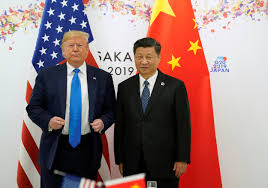
The White House announced that U.S. President Donald Trump and Chinese President Xi Jinping are expected to speak this week. This call comes amid rising tensions between the world’s two largest economies. It will focus on trade disputes and technology export restrictions. The conversation offers a chance to ease economic friction and improve diplomatic relations.
Background of U.S.-China Trade Tensions
Trade relations between the United States and China have been tense since early 2018. The Trump administration imposed tariffs on hundreds of billions of dollars of Chinese goods. The goal was to address what it called unfair trade practices and intellectual property theft by China. China responded with retaliatory tariffs on American products. This back-and-forth trade war disrupted global supply chains and slowed economic growth.
Both countries signed a “Phase One” trade deal in January 2020 to ease tensions temporarily. Yet, many issues remain unresolved. These include disputes over technology transfers, subsidies to Chinese companies, and market access barriers. The Biden administration has continued a firm stance on China, especially regarding technology and national security.
The Importance of Rare-Earth Elements
Rare-earth elements (REEs) are essential for advanced electronics, military gear, and renewable energy. China controls around 80% of the global supply. This control gives China significant power in global markets.
The U.S. recently accused China of restricting rare-earth exports. Washington views this as a trade agreement violation and a national security threat. China denies the accusations. It says its export controls protect its resources and technology.
This rare-earth dispute highlights the strategic competition between the two countries. Both want to secure their economic and technological futures in a complex world.
The Anticipated Call Between Trump and Xi
White House Press Secretary Karoline Leavitt said the call is likely this week. The exact timing and agenda remain unclear. Officials expect the discussion to cover trade, export controls, and possibly cooperation on climate change and public health.
This call is important. It shows both sides want to engage despite disputes. Global markets watch closely. They hope the talk will ease tensions and improve economic forecasts.
Potential Outcomes and Challenges
The call offers hope but major breakthroughs are unlikely without big compromises. The trade war created deep mistrust. Domestic political pressures limit flexibility in both countries.
In the U.S., there is strong bipartisan support for a tough stance on China. The focus is on trade practices and protecting intellectual property. China prioritizes economic sovereignty and technological independence. It faces growing scrutiny and restrictions from the West.
Even small steps, like clearer export control rules or restarting trade talks, could help. Progress might reduce risks of further trade escalations that could hurt industries.
Broader Geopolitical Context
The U.S.-China rivalry includes more than trade. It covers Taiwan, the South China Sea, human rights, and cybersecurity. The call will likely focus on trade and economics. Still, these broader issues form the background.
The conversation may set a tone for wider diplomacy or deepen divisions. Both leaders face pressure at home and abroad, which complicates talks.
Market and Global Implications
Financial markets reacted with cautious optimism to news of the call. Investors hope the dialogue will reduce trade tensions and bring stability. Global supply chains, disrupted by tariffs and export controls, could improve.
The U.S. and China also play key roles in climate action, public health, and economic recovery after the pandemic. Better communication may help collaboration on these issues. That would benefit many countries beyond trade.
What to Expect Next
In the coming days, people will watch for official announcements on the call’s timing and results. Analysts will look for signs about future policies.
Both governments want to show they can manage differences responsibly while protecting national interests. Media coverage will be intense. Any breakthroughs or setbacks could have immediate effects in diplomacy and markets.
Conclusion
The expected call between Presidents Trump and Xi Jinping is a crucial moment in U.S.-China relations. The two countries face serious trade disputes, export controls on rare-earth elements, and broader geopolitical tensions.
This conversation offers a chance to reduce friction and build cooperation. The challenges remain strong, but direct talks are essential. For markets, policymakers, and businesses, the week ahead will test whether diplomacy can win over confrontation.