Population Census-2027: Why this reopens debate on delimitation, timeline
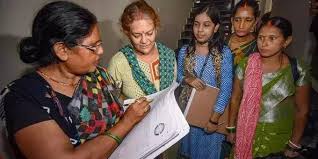
India’s announcement of the Population Census 2027 has revived the ongoing debate on delimitation and its timeline. The last census took place in 2011, and after a long gap, the upcoming census will reflect major demographic changes. However, it also raises political and administrative challenges, especially around redrawing electoral boundaries and deciding when to do it.
What Is the Population Census?
The Population Census happens every ten years. The government collects detailed data about people’s demographics, social status, and economic conditions. Originally scheduled for 2021, the census was delayed due to the COVID-19 pandemic. Now, it is planned for 2027 to provide an updated picture of India’s population.
What Is Delimitation and Why Does It Matter?
Delimitation means redrawing the borders of electoral constituencies based on new population data. This step ensures fair representation in Parliament and state assemblies. Population growth varies across states, and delimitation balances the number of voters in each area. Without it, some constituencies become over- or under-represented.
Why Is Delimitation on Hold?
A constitutional amendment froze the number of seats in Parliament and state assemblies based on the 1971 census until 2026. This freeze aimed to reward states that controlled population growth. Once the freeze ends, delimitation will use the 2027 census data to update constituency boundaries. However, this could shift power among states, sparking political disputes.
Why Does the 2027 Census Restart the Delimitation Debate?
- Political Impact: States with fast population growth like Uttar Pradesh and Bihar may gain more seats. States with slower growth, like Kerala and Tamil Nadu, could lose seats. This situation causes tension among political parties.
- Tight Timeline: The census delay squeezes the time available to collect data and redraw boundaries before the 2029 general elections.
- Regional Concerns: Some northeastern states and Union Territories worry about losing political influence. They may challenge the delimitation process legally.
- Reserved Seats: Changes in seat boundaries also affect reserved seats for Scheduled Castes and Scheduled Tribes. This adds complexity to the process.
What Comes Next?
The government plans to complete the census in 2027 and start delimitation soon after. Political parties and state governments will negotiate intensely. Experts say transparency and following constitutional rules will be key to smooth implementation.
Conclusion
The Population Census 2027 is more than a demographic exercise. It will reshape India’s democracy for years. The renewed delimitation debate shows how hard it is to balance population realities with political representation. As the country prepares for these changes, everyone watches closely how the government manages this sensitive process.