Cabinet nod for Indian Railways’ line doubling projects: Freight traffic set to receive additional boost of 49 million tonnes annually
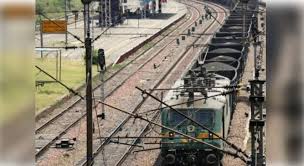
In a significant development for India’s transport sector, the Union Cabinet has approved two major railway line doubling projects. These include the Koderma–Barkakana line in Jharkhand and the Ballari–Chikjajur line across Karnataka and Andhra Pradesh. The combined investment is around ₹6,405 crore, with the goal of boosting railway capacity and freight movement.
What Is Line Doubling?
Line doubling means laying a second track beside an existing single line. This upgrade allows trains to move in both directions at the same time. As a result, it reduces delays and increases line capacity. It is one of the most effective ways to improve railway efficiency.
Key Freight Benefits
The two projects are expected to increase freight capacity by 49 million tonnes per year. This boost will help ease congestion on busy railway routes. Freight trains will move faster and more reliably. In turn, industries depending on coal, iron ore, cement, and farm products will benefit greatly.
Moreover, passenger trains on the same routes will also experience fewer delays. The movement of both freight and passengers becomes smoother when double lines are in place.
Regional Importance
The Koderma–Barkakana line connects major coal mining and power hubs in Jharkhand. Doubling this track will speed up coal transportation, which is vital for electricity production. It also supports heavy industry in eastern India.
The Ballari–Chikjajur line serves iron ore, steel, and cement industries. These are concentrated in Karnataka and nearby areas of Andhra Pradesh. Once doubled, this line will help move raw materials to factories and ports faster.
Part of a Bigger Vision
These projects align with the PM Gati Shakti National Master Plan. This plan aims to connect all types of transport—rail, road, air, and sea—into one smooth system. By doing this, India hopes to lower logistics costs and improve delivery times.
In addition to doubling projects, the Indian government is also building Dedicated Freight Corridors (DFCs). These are special railway lines built just for freight trains. The Eastern DFC and the Western DFC are nearing completion. They are already helping to move goods more efficiently across long distances.
However, not all goods move on DFCs. Local and regional routes still need upgrades. Therefore, doubling projects like these are essential to support the entire rail network.
Speed and Cost Savings
When lines are doubled, trains don’t have to stop to let others pass. This saves time and reduces fuel use. It also lowers costs for businesses that depend on rail transport.
Furthermore, delays on single-line tracks often cause congestion. Doubling eliminates this issue and allows for more trains to run each day. This is especially important for time-sensitive deliveries like perishables or urgent supplies.
Economic and Job Impact
These projects will create jobs during construction. Engineers, laborers, suppliers, and local workers will benefit from the increased demand for materials and services. In addition, local businesses near the construction areas are expected to see more activity.
Once completed, the improved rail lines will help factories get raw materials more quickly. Finished goods can also reach markets and ports without delay. This will improve the competitiveness of Indian products, both locally and internationally.
Environmental Benefits
Railways are a cleaner mode of transport than roads. By improving railway capacity, more goods can move by train instead of trucks. This shift helps reduce carbon emissions and fuel use.
Moreover, the newly doubled lines are expected to be electrified. This further lowers pollution and supports India’s environmental goals. In the long run, these efforts help the country meet its climate commitments.
Fast-Tracked Timeline
Both the Koderma–Barkakana and Ballari–Chikjajur projects are expected to be completed in the next three years. The target completion date is 2028. Once finished, the new infrastructure will be ready to handle a larger volume of goods and passengers efficiently.
Conclusion
The Cabinet’s approval of these two railway doubling projects marks a big step forward for India’s transport infrastructure. The expected boost of 49 million tonnes in annual freight capacity is a game-changer.
These projects not only improve speed and reduce costs but also create jobs and cut emissions. When combined with major initiatives like Gati Shakti and Dedicated Freight Corridors, they show how serious India is about becoming a global logistics powerhouse.