Where is Iran’s Supreme Leader, Ayatollah Ali Khamenei?
Ayatollah Ali Khamenei, Iran’s Supreme Leader, has not appeared in public since mid-June. His absence has stirred widespread speculation, both inside Iran and internationally. Khamenei has led the country since 1989 and usually addresses the public regularly.
Recent intelligence suggests he has taken shelter in an underground bunker in Lavizan, a military zone on the edge of Tehran. Security forces reportedly moved him there due to the rising threat of attacks. The situation follows a sharp rise in tensions between Iran, the United States, and Israel.
Why Did Iran’s Supreme Leader Go Underground?
Khamenei reportedly relocated after a wave of airstrikes hit sensitive military and nuclear sites across Iran. These strikes damaged key infrastructure in areas such as Isfahan, Natanz, and parts of Tehran. Observers attribute the attacks to Israel, likely with U.S. coordination.
Top security officials, especially those from the Vali-ye Amr Unit, recommended immediate action. This elite force protects the Supreme Leader and operates independently from the regular military. They helped move Khamenei to a secure underground location to reduce risk.
What Is the Lavizan Bunker?
Lavizan has long been linked to Iran’s nuclear and military operations. Over the years, satellite images have shown deep underground tunnels and heavily fortified structures in this area. These bunkers were designed to protect top officials during war or airstrikes.
Although Iran hasn’t officially confirmed his location, U.S. intelligence claims to know exactly where Khamenei is. However, American officials say they have no immediate plans to launch a direct strike against him.
A Noticeable Silence from Iran’s Top Leader
Khamenei’s disappearance has affected Iran’s political operations. Normally, he plays a direct role in all major decisions, from foreign policy to religious law. Without his visible presence, other factions—especially the Revolutionary Guard—have started to fill the power vacuum.
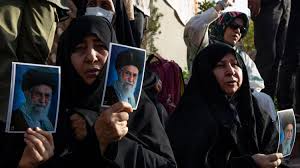
Inside Iran, citizens and analysts are asking questions. Some worry about his health, while others believe he’s simply hiding from external threats. Government officials insist he’s still fully in control, but many find the silence unusual and troubling.
National Tensions Continue to Rise
Khamenei’s retreat comes during one of Iran’s most volatile periods in recent history. The economy continues to struggle under strict sanctions. Public anger, which peaked during past protest movements, is beginning to return. In cities like Shiraz and Mashhad, small gatherings and online dissent are growing again.
Iran’s military has responded with tighter security. It has deployed more air defense systems and increased surveillance across sensitive areas. Internet access has also been restricted in several provinces to prevent unrest.
Global Reactions to Khamenei’s Disappearance
World leaders are watching closely. Some believe Khamenei’s move is a smart defensive strategy. Others see it as a clear sign of weakness. Israeli officials claim the regime is “feeling the heat.” In the U.S., former President Trump called the Supreme Leader “a man hiding in a hole.”
The Biden administration has responded more cautiously. White House sources confirmed ongoing monitoring of the situation. They also warned that any further escalation could lead to regional instability.
What Could Happen Next?
Khamenei’s continued absence may lead to internal power struggles. Iran’s system depends on the Supreme Leader’s presence. Without him, decision-making could stall or fragment. Factions inside the government may begin pushing their own agendas more openly.
Many now wonder who might take over if Khamenei becomes unable to lead. Some point to President Ebrahim Raisi, while others mention Mojtaba Khamenei, the Supreme Leader’s son. Both are controversial figures, and neither has Khamenei’s broad religious authority.
The Symbolism of the Bunker
The Supreme Leader’s decision to retreat underground tells a larger story. It reflects a regime that feels under siege—by military threats, domestic unrest, and economic decline. The image of Khamenei in hiding, away from his people, undermines the government’s usual message of strength and defiance.
Even if he returns to public view, this episode will leave a lasting impression. It raises serious questions about Iran’s stability, the limits of its leadership, and what might come next.
Conclusion: Ayatollah Ali Khamenei’s withdrawal from public life has triggered uncertainty at every level. Whether this move was strategic or driven by fear, it marks a critical moment for Iran and its future.