AAIB officials appear before House panel, say Air India crash report soon
New Delhi — July 10, 2025
Officials from the Aircraft Accident Investigation Bureau (AAIB) appeared before a key parliamentary panel this week. They announced that the preliminary report on the Air India AI-171 crash will be released by July 12, 2025. The timeline follows global aviation rules that require a report within 30 days of a crash.
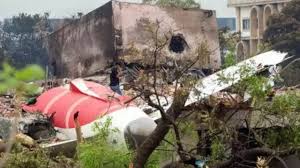
The Air India tragedy, which involved a Boeing 787 Dreamliner, raised major safety concerns. The aircraft crashed shortly after takeoff on June 12, 2025, killing all 183 people on board. This is the first fatal accident involving a Dreamliner, and the most deadly Indian airline crash in nearly three decades.
Lawmakers Demand Answers
Members of Parliament questioned AAIB officials during a session of the Standing Committee on Transport. They urged faster action and more openness in the investigation.
An AAIB representative confirmed the team is finalizing the report. He said the bureau is working with experts from Boeing, General Electric, the National Transportation Safety Board (NTSB), and the International Civil Aviation Organization (ICAO).
“We are ensuring the data meets international standards,” the official said.
Early Findings Focus on Technical Faults
The recovered black box data (flight recorder and cockpit voice recorder) offered key clues. Investigators are closely reviewing the following areas:
- Fuel System: A faulty fuel selector switch may have caused engine failure.
- Hydraulics and Electrical Systems: Experts are checking if a power failure affected controls.
- Pilot Response: The voice recorder shows that the pilots noticed a problem minutes before impact.
While these angles are being explored, the AAIB has not confirmed a root cause.
Global Experts Aid the Probe
Boeing and General Electric, makers of the plane and engines, sent teams to support the Indian investigation. Their engineers are working alongside AAIB officials at a secure lab near Delhi.
The collaboration also includes international agencies that bring technical and legal oversight. They are reviewing data from the wreckage, aircraft maintenance logs, and ATC records.
Aviation System Faces Scrutiny
Lawmakers expanded the conversation to highlight gaps in India’s aviation sector:
- Air Traffic Overload: Some radar stations manage up to 30 planes at once, far above safe limits.
- Pilot Fatigue: Crew scheduling practices raise concerns about long hours and limited rest.
- Regulatory Staff Shortage: The DGCA lacks enough trained personnel to inspect all aircraft regularly.
- Fare Hikes: Airfares surged by over 30% after the crash, sparking accusations of profiteering.
Members demanded urgent reforms to protect flyers and improve system resilience.
What to Expect in the Report
The preliminary report will include:
- Event Timeline: A minute-by-minute breakdown of the crash using black box and radar data.
- Early Technical Analysis: Initial findings on systems and pilot actions.
- Short-Term Safety Steps: Immediate actions that airlines and regulators should consider.
This report won’t assign blame or offer a final verdict. The full report, which usually takes 6 to 12 months, will include detailed analysis and policy recommendations.
Families and Flyers Await Clarity
Victims’ families have been demanding fast answers. They hope the report will explain what went wrong and whether the tragedy could have been prevented.
Civil society groups also want more transparency from investigators. They are pushing for the full report to be made public without redactions.
Global Impact of Findings
Because the 787 Dreamliner has a strong safety record, the crash shocked the aviation world. Regulators in other countries are watching India’s investigation closely. Any discovery of design flaws could prompt global changes to how Dreamliners operate.
“Boeing has a lot at stake,” said Capt. Ravi Kumar, a former Air India pilot. “This report could trigger changes in fuel system alerts or cockpit training.”
Ministry Promises Action
India’s Transport Minister Prahlad Joshi addressed the media after the panel hearing. “Safety is our top priority. We are committed to implementing every recommendation the AAIB makes,” he said.
The ministry has also asked the DGCA to conduct emergency inspections of similar aircraft operated in India.
Conclusion
As the deadline for the preliminary report nears, pressure is mounting on the AAIB. The crash exposed deeper issues in India’s fast-growing aviation sector. From pilot fatigue to air traffic congestion, the incident has become a wake-up call.
Once published, the report will shape future safety policies and provide critical insights for the global aviation community. For now, victims’ families, airline staff, and frequent flyers wait — hoping for truth, accountability, and change.