Apple iOS 26 beta 4 brings back Liquid Glass design and AI news summaries
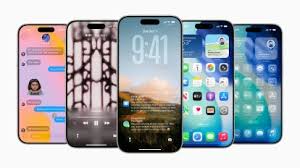
Apple has rolled out iOS 26 Beta 4, and it’s more than just bug fixes and performance tweaks. This update signals a bold design shift and a strategic expansion of Apple’s AI ambitions. Most notably, Apple has brought back its glossy Liquid Glass interface and cautiously reintroduced AI-powered news summaries, which had earlier sparked concerns over misinformation. Here’s a deep dive into the key highlights and what they mean for users, developers, and the tech landscape.
Aesthetic Overhaul: The Return of Liquid Glass
Liquid Glass—a design aesthetic first hinted at during the WWDC preview—was removed in earlier beta versions due to readability concerns. Now, it’s back in Beta 4, but in a more balanced, accessible form.
What’s new with Liquid Glass in Beta 4?
- Subtle translucency returns to tab bars, control centers, and navigation elements, giving the interface a glassy, fluid feel.
- The background blur dynamically adjusts as users scroll through content, creating a layered depth effect.
- Notifications, lock screen widgets, and the App Store now reflect the frosted, glossy treatment, reminiscent of iOS 7’s early experiments but more refined.
This move aligns with Apple’s push toward a richer, immersive UI that visually sets iOS apart from Android’s Material Design while leveraging the iPhone’s powerful GPU capabilities.
AI News Summaries Make a Comeback—Cautiously
Perhaps the most talked-about feature is the return of AI-powered Notification Summaries for news, tech, and entertainment apps. This feature was initially tested in iOS 26 Beta 1 but removed after public backlash over its tendency to misrepresent facts.
What’s different this time?
- Clear disclaimer: Apple now displays a warning during setup—“Summarization may change the meaning of information. Verify original sources.”
- Opt-in model: Users must now manually activate summaries for specific app categories, such as News, Podcasts, or Stocks.
- Summary labeling: Every AI summary includes a label (“Generated by Apple Intelligence”) and a link to the full article.
Apple’s implementation appears focused on transparency and user control, directly responding to criticism that automated summaries oversimplified or distorted complex news stories.
Visual Refreshes and UI Tweaks
Beyond the two headline features, iOS 26 Beta 4 introduces a range of smaller but impactful visual and usability enhancements:
- New onboarding splash screens: When launching updated apps like Photos, Messages, and Siri for the first time, users now see informative overlays guiding them through key changes.
- Camera app redesign: A fresh layout improves access to shooting modes, and a new tutorial shows off AI-driven adjustments for lighting and background blur.
- Interactive wallpapers: Dynamic wallpapers now respond to swipes and taps with subtle animations, adding personality to the lock and home screens.
These changes indicate Apple’s emphasis on playful interactivity and personalization, tapping into the growing demand for expressive, adaptive mobile interfaces.
Smarter Call Screening Features
Privacy and communication also get an upgrade. Apple expands its Call Screening tools, allowing users to:
- Silence unknown callers
- Require callers to provide a reason before calls are connected
- Toggle call screening off entirely during set hours or while driving
This system, powered by Apple Intelligence, aims to reduce spam and robocalls without compromising legitimate calls from delivery services, schools, or one-time contacts.
Public Beta Release and Device Compatibility
According to multiple reports, the public beta version of iOS 26 is expected to launch by July 23, 2025, giving everyday users a chance to test the features ahead of the September release alongside the iPhone 17 lineup.
Compatible Devices:
- iPhone 14 and newer
- iPhone SE (3rd gen and up)
- iPhone 15 series
- iPads running iPadOS 26 will receive similar design and AI enhancements
As always, Apple recommends installing beta versions on secondary devices, as stability isn’t guaranteed.
Apple’s Broader AI Vision
The cautious reintroduction of AI summaries—paired with tighter user control—reflects Apple’s carefully calibrated approach to artificial intelligence. Unlike companies that flood users with generative AI tools, Apple is weaving intelligence into the OS fabric—invisible but impactful.
iOS 26’s AI features include:
- Siri context awareness for more accurate follow-up questions
- On-device machine learning for image categorization, photo deduplication, and message prioritization
- AI-driven search summaries, introduced quietly in the iOS 26 beta cycle
Apple is betting that its privacy-first, subtle AI will appeal to users skeptical of chatbots and large-scale text generators.
Conclusion: A Delicate Balancing Act
With iOS 26 Beta 4, Apple is threading a difficult needle—reintroducing ambitious design and AI features without compromising usability, accessibility, or trust. The Liquid Glass interface reaffirms Apple’s design leadership, while the return of AI-generated summaries—now more ethical and opt-in—signals its determination to stay in the AI race on its own terms.
For developers, designers, and tech observers, iOS 26 Beta 4 is not just an update—it’s a glimpse into how Apple plans to blend intelligence and elegance into the everyday user experience.