The third black box: Despite obvious benefits for air crash probes, debate on cockpit cameras has dragged on for decades
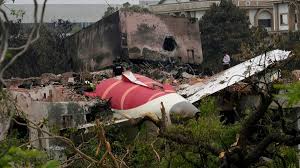
In the realm of aviation safety, every second of data counts. Over the years, the cockpit voice recorder (CVR) and the flight data recorder (FDR)—commonly known as black boxes—have become critical tools for investigators seeking answers after a plane crash. However, one piece of the puzzle remains conspicuously absent: a cockpit video recorder, often dubbed the “third black box.” Despite overwhelming evidence that visual recordings could drastically enhance air crash investigations, the idea has faced resistance for decades. So, what’s keeping cockpit cameras grounded?
The Case for Cockpit Cameras
Aviation experts have long emphasized the value of having video footage from the cockpit during a flight. In the aftermath of a crash, investigators rely on CVR audio and FDR data to reconstruct the final moments. But there are scenarios—like pilot incapacitation, mechanical anomalies, or unrecorded cockpit events—where audio and data alone don’t provide the full picture.
Take the case of Air France Flight 447, which crashed into the Atlantic in 2009. It took investigators two years to retrieve the black boxes from the ocean floor. Had there been visual footage of the cockpit, crucial insights into the pilots’ reactions and the aircraft’s condition may have emerged far sooner.
In many such incidents, visual context could help determine:
- If a pilot was distracted or incapacitated.
- If cockpit displays were functioning correctly.
- If there was smoke, fire, or any object interference.
Why the Debate Has Persisted
Despite the potential benefits, the discussion around cockpit cameras has been a decades-long battle involving competing interests—most notably between regulators and pilots’ unions.
1. Privacy and Trust Concerns
Pilot associations have consistently pushed back against the idea of cockpit cameras, citing privacy violations and potential misuse of footage. There is a fear that video recordings could be used punitively, misinterpreted by the public, or leaked to the media, damaging reputations and careers.
“The cockpit is a workplace, not a stage,” says one commercial pilot. “We’re already under enough scrutiny. Cameras would turn our flight deck into a surveillance zone.”
2. Risk of Misuse
There’s a significant concern that cockpit video could be accessed for purposes beyond accident investigation—such as internal discipline, regulatory enforcement, or even public release under pressure from the media. While current black box data is tightly regulated, adding visual media introduces new vulnerabilities.
3. Regulatory Complexity
Adding a third black box is not just a technological decision—it requires international regulatory alignment. The International Civil Aviation Organization (ICAO) has supported the use of cockpit cameras since 2016, but implementation across countries has been uneven. Some jurisdictions have no clear legal frameworks for video data protection, storage, or access.
4. Technical and Cost Issues
Installing cameras that are crash-resistant, tamper-proof, and compliant with aviation standards isn’t cheap. For smaller airlines or developing nations, retrofitting existing fleets with high-end video recorders may not be a top priority, especially if they’re not mandated.
Progress and Partial Adoption
Despite resistance, there has been gradual movement. The European Union Aviation Safety Agency (EASA) and the U.S. National Transportation Safety Board (NTSB) have both endorsed the use of cockpit video, especially in high-capacity aircraft or during specific test flights.
Some manufacturers have started embedding camera systems that monitor pilot fatigue or facial recognition-based cockpit access, which could eventually lay the groundwork for full-scale cockpit video recording.
Moreover, General Aviation and military aircraft already use cockpit cameras for performance reviews and training, showing that technological feasibility is not the obstacle—policy is.
Striking a Balance: Can Privacy and Safety Coexist?
The key question is: Can the aviation industry find a middle ground that preserves privacy while improving safety?
Some proposed solutions include:
- Restricted access protocols: Only air crash investigators should have access to video data, with strict legal protections against leaks.
- Automatic overwrite mechanisms: Cameras only store a few hours of footage unless an incident triggers preservation.
- Blurring technology: To protect identities, faces could be automatically obscured unless critical to the investigation.
With such safeguards, experts argue, cockpit cameras could function like CVRs—vital, confidential, and legally protected.
The Road Ahead
With aviation growing more complex, and public expectations for safety and accountability increasing, the case for cockpit video recorders is becoming harder to ignore. Each high-profile accident rekindles the discussion, but without mandatory global standards, change remains slow.
As of now, the “third black box” continues to be a concept stuck in regulatory limbo—acknowledged as useful, but not yet universally accepted. For families of crash victims and investigators alike, this delay can feel like a missed opportunity to uncover the truth.
Conclusion
In a world where almost every action is captured on video—from body cams to doorbell footage—it’s surprising that one of the most critical spaces in aviation remains unseen. The cockpit, where life-and-death decisions are made, still lacks the visual record that could save lives and prevent future disasters.
The debate over cockpit cameras is not just about technology—it’s about privacy, trust, and the pace of progress. But if the aviation industry can find a fair and ethical way to implement them, the third black box may finally take its rightful place in the quest for safer skies.