Columbia University agrees to pay more than $220 million in deal with Trump to restore federal funding
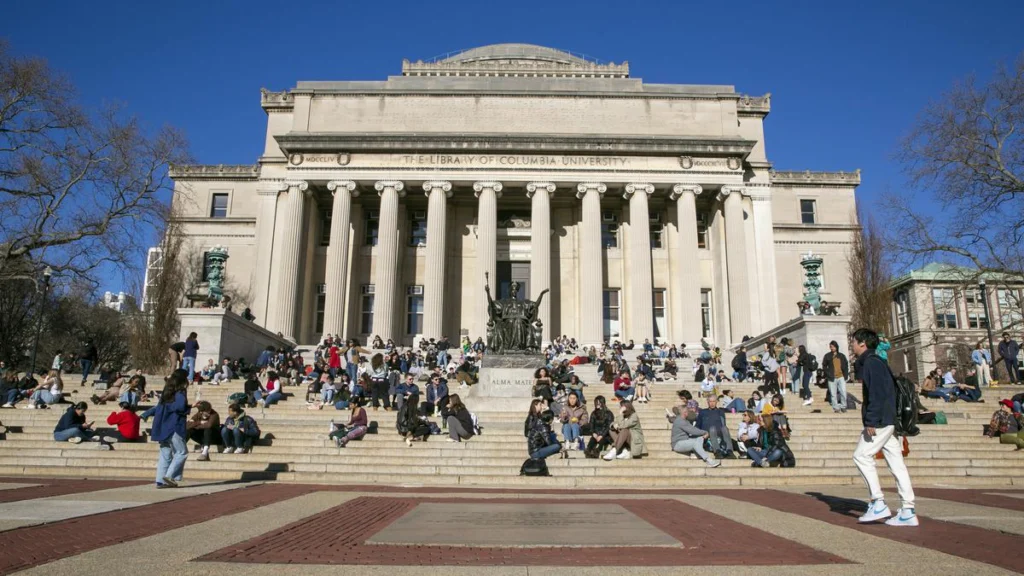
Columbia University has agreed to pay a total of $220 million in settlement with the U.S. government. The settlement includes $200 million over three years for federal funding disputes and $21 million for civil rights violations. These issues stem from anti-Semitic incidents following the October 7, 2023, Hamas attack on Israel.
Background of the Dispute
The dispute began years ago when the government scrutinized Columbia’s handling of federal funds. Columbia, like many universities, depends heavily on federal funding. This money supports research, student loans, and educational programs. Under the Trump administration, the government demanded stricter compliance regarding political and religious expression in schools receiving federal aid.
The situation worsened after the Hamas attack. Columbia faced accusations that it failed to protect Jewish employees from harassment. Many Jewish staff members claimed they were targeted by students and faculty for supporting Israel. They argued that the university didn’t act fast enough to address these issues.
Terms of the Settlement
Under the settlement, Columbia University will pay $200 million over three years to resolve federal funding disputes. This money will be used to ensure that Columbia follows federal regulations in the future. In addition, the university will pay $21 million to resolve complaints from Jewish employees who faced discrimination after the Hamas attack.
These payments are meant to address issues of anti-Semitic harassment. The Department of Education’s Office for Civil Rights (OCR) investigated the incidents, finding that Columbia did not act promptly or sufficiently in addressing complaints.
Addressing Anti-Semitic Incidents
The $21 million payment focuses on resolving these civil rights violations. After the Hamas attack, many Jewish employees at Columbia reported harassment. They said that some faculty and students criticized Israel and targeted those who supported it. Columbia was accused of not investigating these complaints properly.
As part of the settlement, Columbia agrees to implement stronger protections for Jewish employees and students. The university will introduce clearer reporting processes and policies to prevent discrimination. These reforms aim to create a safer, more inclusive environment on campus.
The Role of U.S. Government Oversight
The U.S. government’s involvement highlights the importance of civil rights protection in universities. Universities must ensure that students and employees are protected from discrimination, including harassment based on religion or political views. The federal government has the right to ensure compliance with civil rights laws when providing funding to institutions.
This settlement also emphasizes the need for universities to use federal funding responsibly. The government holds universities accountable to prevent any misuse of funds. The settlement has set an important precedent for other institutions, urging them to follow similar guidelines for federal compliance and civil rights protections.
Implications for Higher Education
This settlement has broader implications for universities across the U.S. Universities must strike a balance between free speech and protecting individuals from discrimination. As tensions grow over issues like Israel, universities must have clear policies to manage free speech while ensuring a safe environment for all students and staff.
The case also highlights the need for transparency in how universities handle federal funds. Universities must show that they are complying with government regulations. This settlement reminds institutions of the consequences of non-compliance.
The Impact on Columbia University
Columbia University now faces both financial and reputational challenges. The settlement resolves many immediate concerns but leaves open questions about the university’s future. The Macrons have demanded transparency and clear actions to rebuild trust within the Jewish community and others who were affected by the discriminatory incidents.
The university will need to make changes to its policies. It will also have to demonstrate a commitment to diversity and inclusion through reforms in its procedures. These changes will likely be watched closely by other institutions to see how Columbia responds to the settlement.
Political and Legal Context
This case illustrates the growing influence of government in the affairs of universities. The Trump administration’s push for stricter oversight of universities has sparked debates over free speech and academic freedom. Some argue that this type of intervention infringes on the autonomy of universities, while others contend that it’s necessary to protect civil rights.
Many higher education institutions have clashed with the government over political issues in recent years. This settlement adds to the ongoing debate about the role of government in regulating educational institutions. Columbia’s case shows the delicate balance that universities must maintain between free expression and compliance with civil rights laws.
Looking Ahead
While the settlement resolves this particular case, it will continue to affect university policies. Institutions must focus on improving their handling of discrimination complaints and ensuring that free speech doesn’t harm the rights of others. The outcome of this case may set a precedent for how similar disputes are handled in the future.
As political and social issues become more polarized, universities will face ongoing challenges in balancing academic freedom with the protection of individuals’ rights. The Macrons’ case serves as a reminder that universities need to foster an inclusive environment while also upholding democratic values and free expression.
Conclusion
The $220 million settlement between Columbia University and the U.S. government resolves critical legal disputes but raises key questions for the future of higher education. It shows the need for universities to comply with federal regulations and protect their staff and students from discrimination. The case has set a significant precedent for how universities handle civil rights issues, particularly as political tensions rise. Moving forward, universities must address the challenges of balancing academic freedom with safeguarding the rights of all individuals on campus.