Holi: A celebration of tradition and science
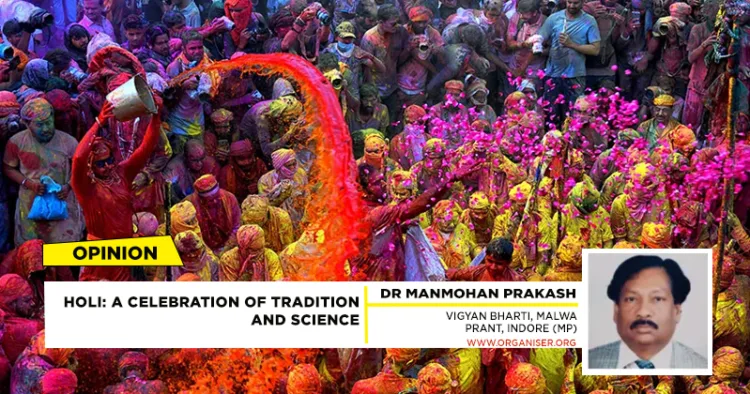
Holi, the festival of colors, is one of India’s most vibrant and joyous celebrations. It marks the arrival of spring and carries deep cultural and mythological significance. While people celebrate with colors, sweets, and music, Holi also has a scientific side that many overlook.
The Traditions Behind Holi
The festival connects to the story of Prahlad and Holika. According to Hindu mythology, King Hiranyakashipu demanded that everyone worship him. However, his son, Prahlad, remained devoted to Lord Vishnu. Furious, the king plotted to kill him. He asked his sister, Holika, to sit in a fire with Prahlad, believing her magical shawl would protect her. However, the fire consumed Holika, while Prahlad survived, symbolizing the victory of good over evil. This event is remembered with Holika Dahan, a bonfire lit on the night before Holi.
Holi also traces its roots to Lord Krishna and Radha. Krishna, concerned about his dark complexion, playfully applied color to Radha’s face. This act became a tradition, representing love, equality, and joy.
The Science Behind Holi
Holi isn’t just about fun—it has health benefits too. The festival comes at a time when winter ends and summer begins. This seasonal change often triggers infections and allergies. The Holika Dahan bonfire helps by raising temperatures, which reduces harmful bacteria in the air.
Colors used in Holi also have scientific importance. Traditionally, people made them from flowers, turmeric, and neem. These natural ingredients have antibacterial properties and are good for the skin. Unfortunately, synthetic colors have replaced natural ones in recent years, leading to skin and eye problems. Experts recommend using herbal colors to avoid health risks.
Colors also impact mood and emotions. Red symbolizes energy, yellow represents happiness, green signifies new beginnings, and blue promotes calmness. Playing Holi helps people relieve stress and feel more positive.
Modern-Day Celebrations
Holi is celebrated differently across India. In Mathura and Vrindavan, grand celebrations last for days. Barsana hosts the famous “Lathmar Holi,” where women playfully hit men with sticks. Punjab marks the festival with “Hola Mohalla,” featuring martial arts displays. West Bengal celebrates “Dol Jatra,” where people sing, dance, and carry idols of Lord Krishna.
Holi’s popularity has spread worldwide. Countries like the USA, UK, and Australia now host color festivals inspired by the tradition. With growing awareness of environmental concerns, many people now prefer dry Holi or use eco-friendly colors to reduce water waste and pollution.