Rajya Sabha clears Immigration Bill amid Opposition walkout, heated debate on security
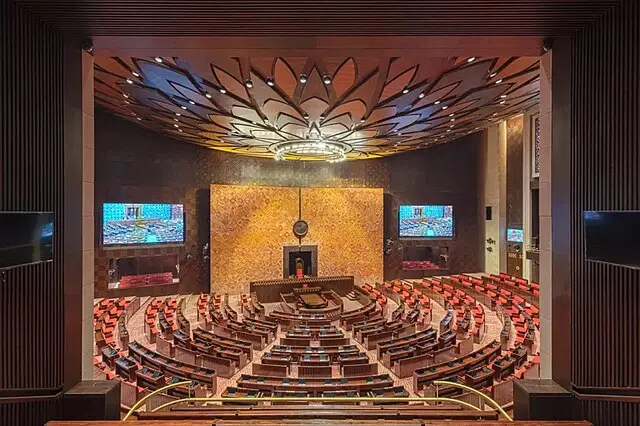
Rajya Sabha Passes Immigration Bill Amid Opposition Walkout and Security Concerns
The Rajya Sabha has passed the Immigration and Foreigners Bill, 2025, which aims to modernize India’s immigration laws and enhance border security. The bill introduces stricter regulations for foreign nationals entering, staying, and exiting the country. While the government argues that the new law is necessary to streamline immigration and strengthen national security, the Opposition strongly opposed it, leading to a heated debate and a dramatic walkout before the final vote.
What Does the Immigration Bill Change?
The Immigration and Foreigners Bill, 2025 replaces outdated immigration laws such as the Foreigners Act of 1946 and the Passport (Entry into India) Act of 1920. The government claims that these laws no longer address modern security threats and migration challenges.
Key Provisions of the Bill:
- Stricter Entry and Exit Regulations:
- All foreign nationals must provide biometric details and undergo a background check upon arrival.
- Those violating visa conditions may be denied future entry into India.
- Centralized Digital Immigration System:
- A nationwide database will track foreign arrivals and departures in real-time.
- This system will help detect overstaying foreign nationals more efficiently.
- Stronger Deportation Measures:
- The bill grants authorities the power to remove individuals staying in India without valid documentation.
- It introduces a formal appeal process for deportation cases to prevent wrongful removals.
- Cooperation Between Central and State Governments:
- States will work with central agencies to track unauthorized migrants.
- Immigration decisions will be coordinated to prevent political interference in security matters.
The Home Ministry emphasized that the bill is necessary to protect India from illegal immigration, human trafficking, and national security risks.
Opposition’s Concerns and Protest Walkout
Despite the government’s justification, the bill has faced strong opposition from multiple political parties, who argue that it could be misused for political or discriminatory purposes.
Main Objections to the Bill:
- Excessive Executive Powers:
- Opposition leaders claim the bill gives immigration officers too much power without enough judicial oversight.
- There are concerns that foreign nationals could face wrongful detention or deportation.
- Possible Misuse Against Refugees and Minority Communities:
- Critics argue that the bill could unfairly target asylum seekers and refugees, particularly those from neighboring countries.
- No clear framework for humanitarian protections has been included in the bill.
- Impact on Tourism and Foreign Investment:
- Business leaders and tourism organizations worry that stricter immigration rules could discourage visitors, students, and investors.
- The Opposition warns that it may harm India’s reputation as a welcoming destination.
- Lack of Clarity on Data Protection:
- Since the bill introduces a biometric immigration database, some MPs raised concerns about privacy violations and misuse of personal data.
The debate turned intense when Minister of State for Home Affairs Nityanand Rai accused Opposition-ruled states of allowing illegal immigration for political benefits. This statement led to a strong backlash from Congress and Trinamool Congress (TMC) MPs, who walked out in protest, calling the remarks baseless and politically motivated.
Why the Government Says the Bill Is Necessary
Union Home Minister Amit Shah defended the bill, saying that immigration policies must be updated to reflect modern security challenges. He highlighted several reasons for the bill’s introduction:
- Increased risks of illegal immigration and espionage have made it necessary to tighten border controls.
- Cases of foreigners overstaying visas and engaging in unauthorized activities have been rising.
- Many countries, including the US and UK, have adopted stricter immigration laws—India must modernize its system to match global standards.
Shah assured Parliament, “This bill is not meant to target any nationality or religion. It is designed to ensure that only those who come to India legally are allowed to stay.”
How the Bill Will Affect Foreign Nationals in India
If enforced, the new immigration law will impact several categories of foreigners:
- Tourists and Business Visitors:
- They will need to comply with new digital entry requirements and biometric registration.
- Visa extensions may require additional security checks.
- International Students and Workers:
- Universities and employers may have to report any foreigner overstaying their visa.
- Skilled workers could face stricter permit renewals.
- Refugees and Asylum Seekers:
- The bill does not provide clear legal protections for refugees, which may lead to uncertainties in asylum policies.
- Foreign Nationals on Expired Visas:
- The government will have the power to blocklist individuals who violate immigration laws, preventing them from re-entering India.
Political and Legal Ramifications
With the bill passed in both the Lok Sabha and Rajya Sabha, it is set to become law. However, several legal challenges are expected in the Supreme Court, where civil rights groups may contest the bill’s broad enforcement powers and potential for misuse.
On the political front, the bill has deepened divisions between the BJP-led central government and Opposition parties. With elections approaching, immigration policies are likely to become a major campaign issue.
In the coming months, the focus will be on how the government implements the bill, and whether it ensures fair enforcement without discriminatory targeting.
Conclusion
The Immigration and Foreigners Bill, 2025 marks a significant shift in India’s immigration policy. While the government sees it as a necessary step for national security and border management, critics warn that it could lead to arbitrary enforcement and negative diplomatic consequences.
As the law moves toward implementation, its true impact will depend on whether it is enforced transparently and fairly. Whether it improves security or creates new legal and political challenges remains to be seen.