‘Cannot switch off economy’: Indian envoy hits back at West’s pressure on oil imports from Russia
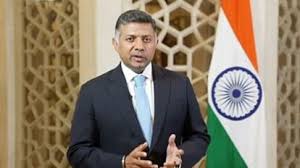
India has once again drawn a firm line in response to global pressure over its oil imports from Russia. In a bold statement, Vikram Doraiswami, India’s High Commissioner to the UK, rejected Western criticism by stating, “We cannot switch off our economy.” His words reflect India’s growing resistance to what it sees as unfair and unrealistic demands from the West, especially regarding its vital energy needs.
India’s Practical Energy Strategy
Since the Russia-Ukraine war began, India has stuck to a clear energy strategy. The country imports over 80% of its crude oil and needs reliable, affordable sources. For a nation with over 1.4 billion people and rising energy demands, turning away from cheaper oil isn’t a realistic option.
Doraiswami told Times Radio,
“It’s a matter of survival. How do you expect us to keep growing our economy if we can’t access affordable energy?”
India’s energy policy focuses on securing the best deals. Officials say the country isn’t supporting any war effort but simply ensuring economic stability for its population. The affordable oil has helped control inflation, ease fuel prices, and keep the post-COVID recovery on track.
Double Standards in Global Criticism
Indian leaders, including Foreign Minister S. Jaishankar, have repeatedly questioned what they see as Western double standards. Several European nations continued trading with Russia long after the war began. They still imported gas and other materials vital to their economies. Yet, India has faced sharp criticism for importing crude.
Doraiswami asked,
“Why is our energy security treated as less important than others’? Many nations make similar purchases, yet only we get singled out.”
This sentiment points to growing frustration in New Delhi. Indian officials believe global energy rules shouldn’t change depending on who’s buying and why.
Why India Buys Russian Oil
India’s oil imports from Russia increased significantly after Western sanctions started. Russia soon became India’s largest crude supplier, overtaking Iraq and Saudi Arabia. The key reason was pricing. Russian oil was cheaper, and Indian refiners secured major discounts.
By early 2024:
- Russia supplied over 40% of India’s oil imports.
- Indian refiners saved billions of dollars, helping fund infrastructure and public welfare.
- Lower oil prices helped stabilize the Indian rupee and reduce domestic fuel costs.
These results helped ease inflation and kept consumer prices steady during global volatility.
EU Sanctions Add New Challenges
The European Union recently introduced sanctions that block products made from Russian oil—even if refined in third countries like India. This move adds pressure on Indian companies that export fuels to Europe.
One major example is Nayara Energy, partly owned by Russia’s Rosneft. Its CEO resigned after the new sanctions came into effect. Some cargoes had to be diverted, and refiners faced fresh hurdles as buyers grew cautious about sourcing from India.
Still, Indian officials stand firm. A senior petroleum ministry source said,
“We’ll continue doing what’s best for our economy. Energy security is our top priority.”
Speaking for the Global South
India’s stand is important beyond its own borders. As a leading voice in the Global South, India is showing that developing nations won’t compromise their interests under global pressure. Many countries now look to India as an example of energy independence and policy sovereignty.
India’s actions signal that no nation should be forced to follow energy policies that hurt its economy. This approach is gaining traction in regions like Africa, Southeast Asia, and South America.
Managing Global Ties
India continues to maintain strong ties with the U.S. and Europe, especially in areas like defense, tech, and trade. At the same time, it strengthens relations with Russia. Cooperation extends to sectors such as energy, defense, and space.
New Delhi has made its approach clear. It doesn’t align blindly with any bloc. Instead, it makes decisions based on its national interest.
As Jaishankar often states,
“Being non-aligned doesn’t mean being neutral. It means being independent.”
Conclusion: A Clear, Consistent Message
India’s statement—“We cannot switch off our economy”—reflects more than frustration. It represents a growing confidence in managing foreign pressure with realism and resolve.
Western countries may continue urging India to reduce ties with Russia. But India is unlikely to comply if it means risking energy access, price stability, or economic growth. For New Delhi, affordable oil isn’t a luxury—it’s a necessity.
India’s message is clear: every nation deserves the right to make energy choices that serve its people first. And in today’s divided world, that principle matters more than ever.