Will decide on resignation over election loss after studying U.S. tariff deal: Japan’s Shigeru Ishiba
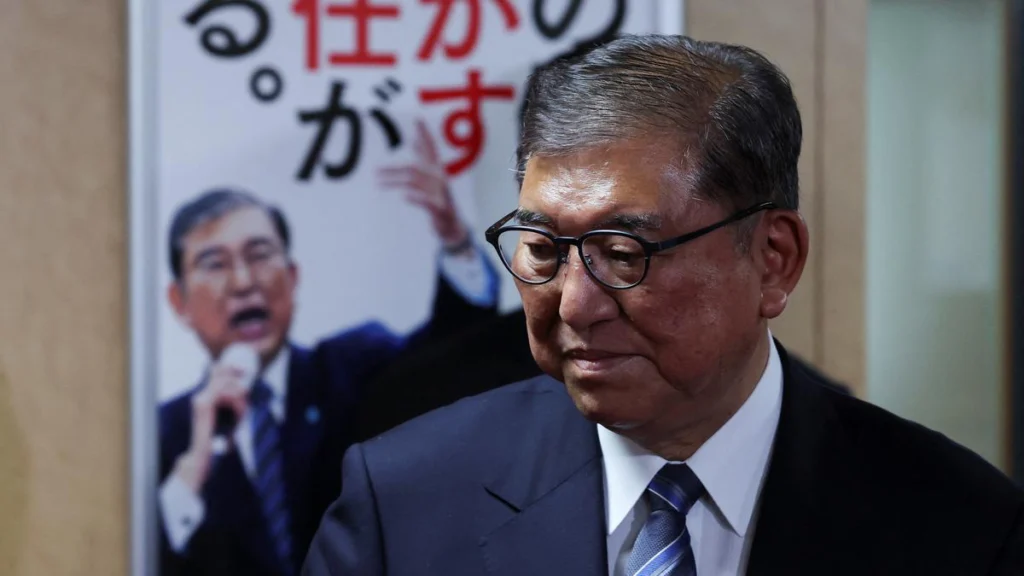
Shigeru Ishiba, Japan’s Defense Minister and a prominent leader of the Liberal Democratic Party (LDP), has faced mounting pressure to step down after his party and its junior coalition partner, Komeito, lost their majority in the 248-member upper house of Japan’s National Diet. While the political fallout from the election results has been significant, Ishiba has stated that he will make a decision regarding his resignation after carefully studying the United States-Japan tariff deal. This statement has sparked discussions about his leadership, the future of the LDP, and Japan’s domestic and international policies.
The Election Loss and Its Implications
The recent election was a crucial test for Ishiba and the LDP, which has dominated Japan’s political landscape for much of the past few decades. The results were far from favorable for the ruling coalition. The LDP, which had long enjoyed a strong hold over both houses of Japan’s legislature, saw its position weakened after losing its majority in the upper house. This outcome is a significant blow to Ishiba’s leadership, as it suggests a growing disenchantment with his party and its policies.
The loss of the majority means that the LDP and Komeito may face increased difficulties in passing legislation. The upper house of the National Diet plays a critical role in reviewing and passing laws, and losing its majority limits the ruling coalition’s ability to enact its agenda efficiently. As a result, Ishiba has come under increasing pressure from both opposition parties and members of his own party to step down and allow for a leadership change. The calls for his resignation reflect the intense scrutiny his leadership is now facing.
Despite the pressure, Ishiba has remained resolute in his decision to wait until after studying the U.S.-Japan tariff deal before making a final decision on his resignation. His move has raised questions about his priorities and whether he is focusing on the right issues at this critical juncture in Japanese politics.
The U.S.-Japan Tariff Deal: A Key Factor
In the midst of political turmoil at home, Ishiba has turned his attention to international matters, specifically the U.S.-Japan tariff deal. This deal, negotiated between Japan and the United States, is of significant importance for Japan’s economy and its trade relations with one of its most important allies. Ishiba has stated that he will evaluate the terms and implications of the tariff deal before making a decision about his political future.
The U.S.-Japan tariff deal is expected to address several key issues, including trade imbalances and tariffs on various goods. For Japan, securing favorable terms in the deal is essential to ensuring continued access to U.S. markets and maintaining strong economic relations with Washington. Given the importance of the deal, it is understandable that Ishiba would want to fully assess its impact on Japan’s economy before making any drastic decisions about his leadership.
The tariff deal has been a point of contention between the two countries for some time, with concerns about the potential for rising tariffs and their effect on industries in both Japan and the U.S. The deal’s successful negotiation could be a major diplomatic win for Ishiba and the LDP, providing the ruling party with a potential source of strength in the face of domestic political challenges.
Internal Party Pressure and Public Opinion
The calls for Ishiba’s resignation have not come only from opposition parties but also from within his own ranks. Several prominent figures in the LDP have voiced concerns about his ability to lead the party effectively, especially after the poor showing in the recent election. Party members who had hoped for a decisive victory now find themselves questioning Ishiba’s leadership and his ability to navigate Japan’s complex political landscape.
In addition to internal party pressure, public opinion has also played a significant role in Ishiba’s decision to delay his resignation. Public support for the LDP has been waning, with dissatisfaction growing over various issues, including economic stagnation, rising inequality, and the party’s handling of social issues. Ishiba’s leadership has come under fire for its inability to address these challenges effectively.
The election results serve as a clear signal that the public is increasingly dissatisfied with the LDP’s governance. Voters have expressed frustration with the party’s policies, particularly those related to economic inequality, unemployment, and the rising cost of living. These issues, combined with the election loss, have led many to question whether the current leadership can regain the trust of the electorate.
Ishiba’s Leadership Style and Challenges
Shigeru Ishiba has long been regarded as a pragmatic leader with a strong focus on Japan’s security and defense policies. As Defense Minister, he has been a vocal advocate for strengthening Japan’s military capabilities and ensuring the country’s readiness in the face of regional threats, particularly from North Korea and China. His tenure has been marked by a commitment to enhancing Japan’s national defense posture, which has earned him praise from conservative factions within the party.
However, Ishiba’s leadership has been less successful in other areas, particularly economic policy. While he has made efforts to address Japan’s economic challenges, his strategies have not always resonated with the public. The LDP’s failure to address pressing domestic issues like income inequality and economic stagnation has contributed to the decline in support for Ishiba and his party.
Moreover, Ishiba’s leadership style has sometimes been criticized for being overly cautious and lacking boldness. His decision to focus on the U.S.-Japan tariff deal instead of addressing the immediate domestic concerns following the election loss has raised questions about his priorities. Some have argued that the delay in making a decision about his resignation only adds to the uncertainty surrounding his leadership.
What’s Next for the LDP and Japan’s Future?
As Ishiba deliberates over his resignation, the LDP faces an uncertain future. The party must decide whether to stick with its current leadership or opt for a change in direction. If Ishiba decides to step down, the party will need to find a new leader capable of restoring public confidence and guiding Japan through its economic and political challenges.
The U.S.-Japan tariff deal could play a pivotal role in determining Japan’s future economic trajectory. A favorable deal would provide the LDP with a much-needed boost, while a less favorable deal could further undermine public trust in the government. For Ishiba, his decision on the deal will likely be a defining factor in his political career.
Conclusion
Shigeru Ishiba’s political future is now in limbo as he navigates both domestic political pressures and the implications of the U.S.-Japan tariff deal. While the LDP’s poor performance in the election has weakened his position, Ishiba remains focused on securing favorable terms for Japan in international trade discussions. Whether he chooses to resign or stay on as party leader will have significant consequences for both the LDP and Japan’s future political landscape. As the party faces growing challenges, Ishiba’s decision will be crucial in shaping the next phase of Japan’s political journey.