When patriotism becomes a food fight: The tragicomedy of Mysore shree
India’s culinary landscape is as diverse as its languages, religions, and traditions. Each region boasts a rich tapestry of flavors, recipes passed down through generations, and dishes that are not just meals but symbols of identity and pride. In this intricate web of culture and cuisine, sometimes patriotism extends beyond flags and anthems to the kitchen, stirring up unexpected food fights. One such curious saga is the tale of Mysore Shree — a beloved sweet from Karnataka that has unwittingly become a battlefield of culinary patriotism, full of humor, pride, and sometimes bitterness.
Mysore Shree: More Than Just a Sweet
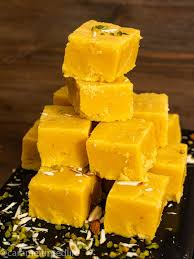
To the uninitiated, Mysore Shree might appear as just another South Indian delicacy. Yet for the people of Karnataka — especially those from Mysore — it is a culinary treasure, a heritage recipe that carries the flavors of royal kitchens and traditional expertise. Mysore Shree, often conflated with the more famous Mysore Pak, is a rich, ghee-laden sweet made primarily of gram flour, sugar, and clarified butter, baked to a perfect balance of softness and melt-in-the-mouth texture.
Unlike many sweets that traverse regional boundaries and evolve, Mysore Shree holds a specific identity tied to Mysore’s cultural legacy. It’s not just about taste; it is a symbol of Karnataka’s history, hospitality, and craftsmanship in sweets. For many, it’s a nostalgic connection to home, childhood festivals, and joyous celebrations.
The Rise of the Food Fight
However, pride in Mysore Shree has gradually spilled into what can only be described as a food fight, especially on social media. What began as light-hearted debates about whose recipe is “authentic” has escalated into aggressive exchanges filled with regional jabs and culinary gatekeeping.
Groups of passionate food lovers argue vehemently over which Mysore Shree recipe is the original—some swear by the versions made with certain proportions of ghee, others claim their family recipe is the true heirloom. There are debates on texture: Should it be crumbly or smooth? Should it melt immediately or have a slight bite? These arguments sometimes take an ugly turn, with commenters dismissing others as “inauthentic” or “outsiders” to Karnataka’s culture.
To an outsider, it might seem trivial, even comical. But within the community, these food fights reveal a deeper attachment — an expression of cultural preservation and identity protection in an increasingly globalized world.
The Underlying Causes of Food Patriotism
Why does a sweet like Mysore Shree ignite such passionate disputes? The answer lies in how food connects to identity.
- Cultural Heritage and Pride: Mysore Shree is not just a recipe; it is a representation of Karnataka’s culinary history. As regions compete for cultural recognition, food becomes a tangible symbol of pride.
- Regional Assertion in a Diverse Nation: India’s diversity breeds a natural sense of regional loyalty. In contexts where language, tradition, and cultural practices are core to identity, defending a beloved dish becomes an act of asserting one’s place in the cultural mosaic.
- Globalization and Fear of Cultural Dilution: With mass production and modernization, traditional recipes risk losing their unique qualities. The food fight is also about protecting authenticity from commercial dilution or misrepresentation.
- Social Media Amplification: The democratization of opinions on platforms like Twitter, Instagram, and Facebook turns casual conversations into viral debates, intensifying emotions and polarizing opinions.
The Tragicomedy: Pride and Absurdity on a Plate
The Mysore Shree food fight is a tragicomedy — a mixture of tragedy and comedy playing out in kitchens and comment sections.
On the one hand, it’s heartening to see people so connected to their heritage that they defend it passionately. It reflects a love for tradition and a desire to keep cultural treasures alive. Mysore Shree’s enduring popularity speaks to the deep roots of Karnataka’s food culture.
On the other hand, the extremity of these debates often tips into absurdity. People hurling insults over gram flour ratios or the softness of a sweet highlight the quirks of regional pride taken to the extreme. Some discussions descend into petty squabbles that overshadow the joy of sharing and enjoying food.
One cannot help but chuckle when the same Mysore Shree recipe is defended as “pure” by multiple groups, each with slightly different ingredient lists — a delicious example of how subjective culinary authenticity can be.
Lessons from the Mysore Shree Saga
This saga offers important reflections for food lovers, culture enthusiasts, and communities at large.
1. Food as a Unifier, Not Divider
Food has the unique power to bring people together. Instead of being a point of contention, Mysore Shree and other regional delicacies can be celebrated as part of a shared Indian culinary heritage. Recognizing the variations and adaptations across regions enriches our collective culture.
2. Respect for Authenticity, Openness to Evolution
While preserving recipes is vital, culinary traditions are living entities that evolve. A recipe passed down in one family or city might differ from another, and both can be authentic in their own way. Respecting this diversity prevents unnecessary gatekeeping.
3. Humor and Humility in Cultural Debates
Taking pride in food doesn’t mean taking oneself too seriously. Injecting humor and humility into these discussions can transform conflicts into celebrations. After all, food’s primary purpose is to bring joy.
4. Social Media Responsibility
Platforms that amplify voices also demand responsibility. Encouraging respectful dialogues over divisive arguments can help channel pride into positive cultural promotion rather than conflict.
Conclusion: Savoring Mysore Shree Beyond Borders
The tale of Mysore Shree’s food fight is a snapshot of how patriotism and cultural identity play out in unexpected arenas. It reflects the powerful role food holds in shaping belonging and pride, but also warns of the pitfalls when passion turns to rivalry.
In the end, the true spirit of Mysore Shree lies not in heated debates but in shared experiences — the aroma wafting through homes during festivals, the smiles as families break pieces together, and the collective memory of a sweet that transcends boundaries.
When patriotism in food turns from a fight to a feast of shared love and respect, everyone wins. Mysore Shree is a reminder that the sweetest victories come when pride is inclusive, and every bite is a celebration of unity in diversity.