Snap shelves quarterly forecast as economic uncertainty risks ad budgets
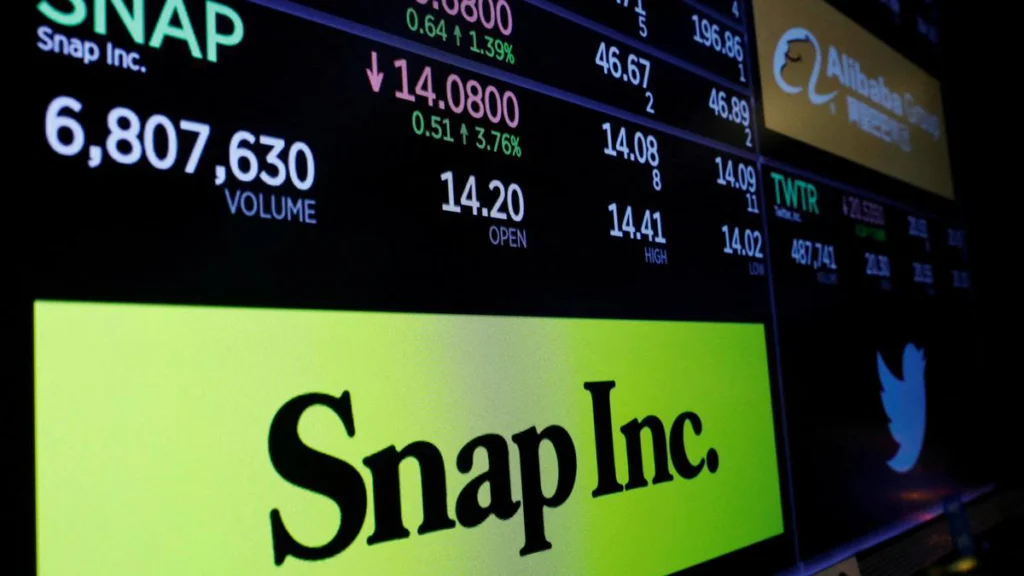
Snap Declines to Issue Q2 Forecast Amid Economic Uncertainty and Global Tensions
Snap Inc., the parent company of Snapchat, made headlines on Tuesday by announcing that it will not be providing a formal financial forecast for the second quarter of the year. The company cited ongoing economic uncertainty, particularly the potential disruption caused by U.S. tariffs and broader global market instability, as the key reason behind this unusual move. The announcement led to a sharp decline in investor confidence, with Snap’s shares falling by 9% in after-hours trading.
A Shift From the Norm
For most public companies, quarterly financial forecasts are a standard part of earnings reporting. They provide investors and analysts with guidance on expected revenue, expenses, user growth, and other key performance metrics. These forecasts help set expectations and influence stock prices. So when a company chooses not to offer one, it often raises eyebrows—and red flags.
Snap’s decision to forgo a formal Q2 forecast isn’t entirely unprecedented, but it is rare. It sends a clear message that the company sees potential turbulence ahead, and that projecting future performance with any degree of certainty would be speculative at best.
Tariffs and Tech: An Uneasy Relationship
Snap specifically pointed to U.S. tariffs as one of the major sources of uncertainty. While the company does not rely heavily on hardware imports like some other tech firms, the broader impact of tariffs on the global economy—and more importantly, on advertiser confidence—can’t be ignored.
Advertising is Snap’s lifeblood. Like many tech companies, especially those in the social media space, Snap generates the bulk of its revenue from digital ad sales. If economic conditions lead advertisers to tighten their budgets, platforms like Snapchat could quickly feel the pinch.
When global economies become less stable, advertising is often one of the first sectors to be affected. Businesses scale back their marketing spend in uncertain times, especially on platforms that may be considered experimental or less essential compared to giants like Google and Facebook. While Snap has made strides in differentiating its ad offerings, it remains particularly vulnerable to such shifts in advertiser behavior.
Post-Pandemic Fragility
The macroeconomic environment is already fragile. Even though global markets have rebounded somewhat from the pandemic lows, inflation, interest rate hikes, and lingering supply chain issues have continued to strain consumer spending and corporate investments. Tariffs only add fuel to this already unstable mix.
With U.S.-China tensions resurfacing and new tariffs potentially on the table, many tech companies are feeling the heat. Whether it’s the cost of importing technology, disruptions in logistics, or the knock-on effects of trade wars on global consumer confidence, the risk is real—and growing.
Snap’s acknowledgment of this environment shows that the company is taking a cautious approach. Rather than offer a forecast that might later need to be adjusted—or worse, missed entirely—they’ve chosen transparency about the unpredictability of the months ahead.
The Market Reacts
Investors didn’t take the news lightly. Within hours of the announcement, Snap’s shares dropped by 9% in after-market trading. The reaction underscores the importance the market places on predictability. Even if a company is performing well, the lack of forward guidance can make shareholders uneasy.
This drop is not necessarily a sign of failure, but rather of caution. Investors are adjusting to the new information—or lack thereof—and pricing in potential downside risk.
What This Means for Snap’s Future
Despite the uncertainty, Snap is still in a strong position in several respects. The company continues to innovate, especially in areas like augmented reality (AR) and interactive advertising. Its user base remains loyal, particularly among younger demographics. Additionally, Snap has consistently improved its ad platform and partnered with major brands, helping it remain competitive in a crowded digital space.
However, the decision not to issue a Q2 forecast does suggest that Snap expects rough waters ahead, at least in the short term. It’s likely the company will keep a close eye on global economic developments, adjust its spending, and focus on strengthening its core offerings.
This also serves as a signal to other tech firms and investors: we are entering a period where financial caution may become more common. In fact, if the global economy does take a downturn, more companies may start withholding guidance or revising their outlooks frequently.
A Broader Industry Trend?
Snap is not alone. Other digital ad-reliant platforms, including Meta and Pinterest, have also shown signs of softness in ad revenue. Smaller or mid-tier ad platforms are especially vulnerable, as brands tend to stick with the largest platforms during downturns.
At the same time, consumer behavior is shifting. Privacy updates on platforms like Apple’s iOS have affected ad targeting, and the increasing demand for transparency in data usage has forced platforms to rethink how they track and monetize user activity.
Snap’s move might not be the last of its kind this year. If macroeconomic conditions worsen or remain unpredictable, more tech firms may follow suit and opt for caution over speculation.
Final Thoughts
Snap’s decision not to issue a Q2 forecast is a reflection of the complex, uncertain world businesses are operating in today. Rather than risk misleading investors or offering overly optimistic projections, the company has chosen to acknowledge the current unpredictability head-on.
While the stock took an immediate hit, this level of transparency might build trust in the long run. Investors appreciate when a company is upfront about challenges and realistic about expectations. Snap now has an opportunity to show resilience and adaptability in the face of economic headwinds.
As we move into the second half of the year, all eyes will be on Snap—and other tech firms—to see how they navigate these uncertain times, manage their advertising strategies, and maintain user growth despite global challenges.