Trump warns tariffs on smartphones will be back in ‘a month or two’
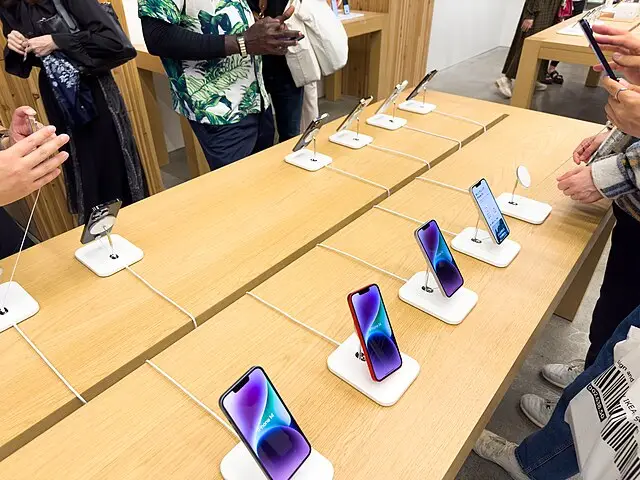
Trump Warns About Smartphone Tariffs: What It Means for the U.S. Tech Industry and Consumers
Donald Trump recently warned that tariffs on smartphones, including popular devices like iPhones, could return soon. His remarks have raised concerns about the future of U.S.-China trade relations and the impact on American consumers. If the tariffs are reinstated, it could lead to higher prices for tech products and affect the supply chain.
Temporary Exemptions Coming to an End
The U.S. government had previously given temporary relief on tariffs for tech products like smartphones. This provided relief to companies such as Apple, which imports many of its iPhones from China. Trump’s warning signals the end of these exemptions in the coming months, which could bring back tariffs on tech products, including smartphones.
Trump’s original tariff strategy aimed to address the trade imbalance between the U.S. and China. He believed China’s unfair trade practices hurt American businesses. Though President Biden has taken a more diplomatic approach, many of Trump’s trade policies, including tariffs, remain in place.
The Impact on Consumers and Tech Companies
Tech companies are watching closely as Trump’s tariff warning could significantly affect their profits. Apple, Samsung, and other companies rely on China for smartphone production. While some manufacturers have diversified their supply chains, most smartphones sold in the U.S. still come from China.
If tariffs return, it could lead to higher prices for smartphones. For instance, a 25% tariff could raise the price of an iPhone by hundreds of dollars. Consumers would feel the pinch, and the demand for smartphones could drop. This situation would also impact companies’ growth prospects as inflation and supply chain disruptions persist.
Apple is particularly vulnerable to these tariffs. The company has opposed tariffs in the past, stating that higher prices would harm U.S. consumers. Apple executives have argued that the price increase would outweigh any potential benefits from tariffs.
Other tech products like laptops, tablets, and smartwatches are also assembled in China. These products could see price hikes as well. Consumers may find it harder to afford tech gadgets, especially as inflation continues to affect the economy.
U.S.-China Trade Relations and Global Supply Chains
Trump’s warning comes amidst the larger backdrop of ongoing U.S.-China trade tensions. These tensions have led to a series of tariff escalations, affecting a wide range of goods. China has retaliated by increasing tariffs on U.S. goods, including agricultural and industrial products.
The trade war has also encouraged China to strengthen its tech industry. Companies like Huawei and Xiaomi have expanded their reach globally, becoming stronger competitors. The U.S. and China’s technological rivalry continues to intensify, with both nations trying to control the tech sector’s future.
If tariffs on smartphones are reinstated, it could worsen these tensions. Manufacturers may need to adjust their supply chains, and other nations may follow suit, raising trade barriers. The result could be higher global prices for tech products and disrupted trade flows.
Mixed Reactions from Lawmakers and Business Leaders
Trump’s tariff warning has sparked debate among lawmakers, economists, and business leaders. Supporters of tariffs argue that they help protect American workers and businesses. They believe that tariffs are necessary to combat China’s unfair trade practices, such as intellectual property theft.
On the other hand, critics argue that tariffs on tech products would hurt American consumers. High-profile investors, including Bill Ackman and Ray Dalio, have warned that tariffs would lead to inflation and reduce consumer spending. They believe tariffs are a short-term solution that could harm long-term economic growth.
Some experts suggest that the U.S. should focus on increasing domestic manufacturing rather than relying on tariffs. By investing in infrastructure, research, and education, the U.S. could boost its tech sector’s competitiveness and reduce reliance on foreign production. This approach would help American businesses without the need for tariffs.
What Does the Future Hold?
As the U.S. recovers from the pandemic, the future of Trump’s tariff threat remains uncertain. President Biden has taken a less aggressive stance with China but has maintained many of Trump’s trade policies. The coming months could be crucial for determining whether tariffs on smartphones will be reinstated.
Tech companies are preparing for the possibility of higher tariffs. Rising inflation, supply chain disruptions, and uncertainty about tariffs make it a challenging time for the industry. The potential price increases could affect consumer demand and slow the growth of the tech sector.
The next few months will be pivotal for U.S.-China trade relations. Businesses, consumers, and lawmakers will need to navigate the consequences of these decisions. The outcomes could significantly impact the future of the global tech industry.