U.S. President Donald Trump’s new travel ban takes effect amid escalating tension over immigration enforcement
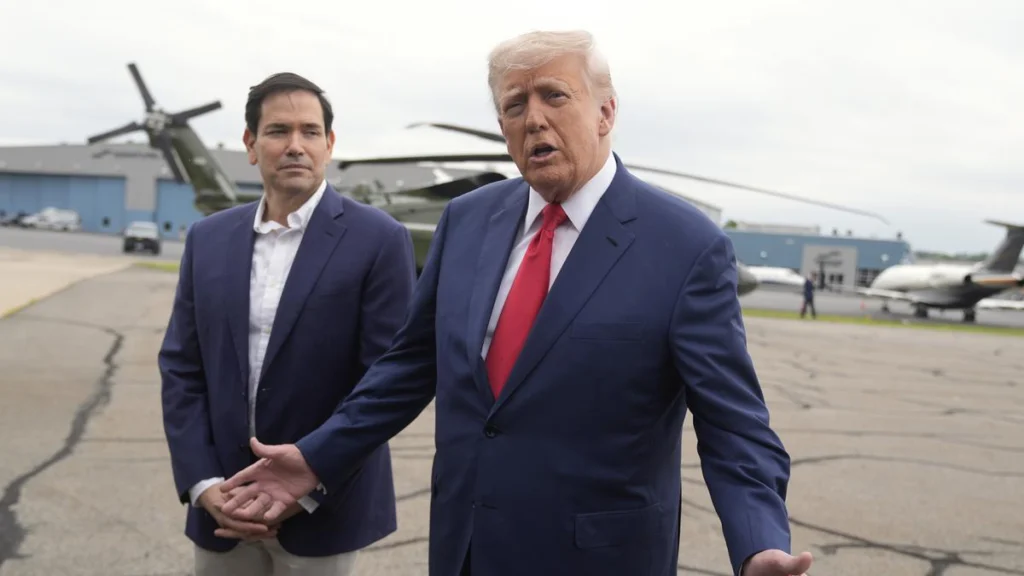
U.S. President Donald Trump’s New Travel Ban Takes Effect Amid Escalating Tension Over Immigration Enforcement
President Donald Trump’s new travel ban, which targets citizens from 12 predominantly African and Middle Eastern countries, officially took effect. This policy, which the administration calls a national security measure, has sparked a wave of criticism and concern across various sectors. The ban restricts the entry of individuals from these countries into the United States, intensifying the ongoing debate over immigration enforcement, national security, and human rights.
The travel ban, which builds on earlier versions introduced during Trump’s tenure, has faced legal challenges and public backlash. However, it now stands as a key element of the Trump administration’s efforts to tighten U.S. borders. As the ban takes effect, it raises important questions about its potential impact on global relations, individual rights, and the future of U.S. immigration policy.
The Scope of the Travel Ban
The new travel ban affects citizens from 12 countries: Libya, Somalia, Syria, Yemen, Iran, Venezuela, and North Korea, along with several others from regions experiencing political instability or conflict. The U.S. government justifies the ban by citing national security concerns, claiming these countries either lack the ability to share necessary security information or pose significant risks due to terrorism-related activities.
The ban prohibits citizens of these countries from obtaining new visas to enter the U.S. However, certain types of travelers, such as diplomats or those seeking asylum, may still gain entry under specific circumstances. Despite these exceptions, the vast majority of would-be immigrants and visitors from these nations face significant barriers to entering the United States.
President Trump has stated that the primary goal of the ban is to protect American citizens from terrorism and other forms of violence linked to extremism. He argues that countries unable or unwilling to cooperate with U.S. intelligence agencies represent a serious threat to the safety of the American people.
The Legal and Political Battle Over the Travel Ban
Since its proposal, the travel ban has sparked intense legal and political battles. Courts have scrutinized the ban, arguing it violates constitutional rights by targeting people based on nationality or religion. Despite these challenges, the Trump administration has pushed the ban through various legal hurdles, and it is now in full effect.
A primary issue with the ban is its apparent targeting of Muslim-majority countries, which critics argue disproportionately affects people of a particular faith. Although the ban does not explicitly target Muslim nations, it primarily impacts them, prompting accusations of religious discrimination.
While the administration has amended the ban over time to address these concerns, critics maintain that it is an unjust policy that violates fundamental principles of equality and human rights. The latest version of the ban has faced fewer legal challenges, but many continue to view it as discriminatory.
Impact on Global Relations
The travel ban could strain U.S. relations with countries in Africa and the Middle East. The governments of the affected countries have criticized the U.S. for singling them out, with many expressing diplomatic discontent. Some leaders in these regions view the ban as an insult to their nations and a barrier to the free movement of people.
The ban could also disrupt U.S. relationships with key allies in these regions. Historically, the U.S. has worked with countries like Iran and Libya in areas of counterterrorism and security. The travel ban could damage these partnerships, jeopardizing cooperation on important global issues.
Furthermore, the ban could affect trade and diplomatic relations. Countries labeled as security risks may perceive the ban as a politically motivated move, which could lead to tensions or retaliatory actions. In a globalized world, where cooperation is essential, the ban could undermine U.S. influence and diplomacy.
Domestic Reactions and Public Opinion
The domestic reaction to the travel ban remains divided. Supporters argue that the policy is a necessary step to protect the safety and security of U.S. citizens. They point to incidents of terrorism and violence linked to individuals from the affected countries as evidence that the ban is warranted. Many supporters believe the U.S. must prioritize its citizens’ security, and that the ban serves as a legitimate measure to prevent future attacks.
Critics, on the other hand, argue that the ban unfairly targets individuals based on nationality or religion, violating the nation’s core values of equality and fairness. Civil rights organizations like the American Civil Liberties Union (ACLU) have been vocal in their opposition, claiming the ban is discriminatory and goes against the principles that the U.S. has long stood for. These groups argue that the policy damages the reputation of the U.S. as a land of opportunity and freedom.
Religious leaders and advocacy groups have also condemned the ban, calling it a “Muslim ban.” Critics argue that while the ban does not explicitly target Muslim-majority countries, it disproportionately affects them, further alienating Muslim communities and reinforcing negative stereotypes.
Economic and Social Consequences
The travel ban could also have significant economic and social consequences. For businesses and institutions relying on international collaboration, the ban could reduce the flow of talent, students, and professionals from the affected countries. Universities, for example, may find it more difficult to attract international students and researchers, affecting academic exchange programs and research initiatives.
The ban could also deter tourism and business travel, which contribute significantly to the U.S. economy. Citizens from the banned countries may hesitate to apply for U.S. visas, fearing rejection or difficult procedures. This could affect industries that depend on foreign customers, clients, and employees, leading to potential economic losses.
Additionally, the ban may contribute to growing divisions within U.S. society. Immigrant communities may feel increasingly marginalized, which could fuel anti-immigrant sentiment and reinforce harmful stereotypes. The policy could further polarize public opinion, creating a climate of fear and exclusion.
Looking Ahead: What’s Next for U.S. Immigration Policy?
As the travel ban takes effect, many wonder about the future of U.S. immigration policy. The Trump administration has made clear its desire to continue tightening immigration rules, and this ban is only one aspect of its broader agenda. Legal challenges may persist, but for now, the policy remains a cornerstone of Trump’s immigration efforts.
Looking ahead, the effectiveness of the travel ban will continue to be a topic of debate. While proponents argue it is a necessary step for national security, opponents view it as discriminatory and harmful. As the legal and political battles unfold, the travel ban will remain a defining issue in U.S. immigration policy.
Conclusion: The Travel Ban’s Lasting Impact
President Trump’s travel ban, now in full effect, has sparked considerable debate both domestically and internationally. Supporters see it as a necessary step to protect national security, while critics argue it unfairly targets individuals based on their nationality or religion. As the policy moves forward, it will likely continue to shape the national conversation on immigration, global relations, and U.S. values.
While the long-term impact of the travel ban remains uncertain, it is clear that it will leave a lasting mark on U.S. immigration policy and the country’s relationship with the world.