Are foldable phones the new BlackBerrys? We tested using the Vivo X Fold 5
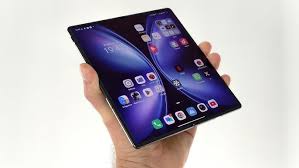
There was a time when carrying a BlackBerry was more than just owning a phone—it was a status symbol, a productivity powerhouse, and a lifeline for professionals. With its tactile QWERTY keyboard and business-first software, the BlackBerry was the go-to device for anyone serious about communication. But today, that baton may be passing to a new generation of phones—the foldables. And at the center of this evolution stands the Vivo X Fold 5, a sleek and intelligent device that could very well be the BlackBerry of the future.
The Legacy of the BlackBerry: A Quick Look Back
Before we assess where the Vivo X Fold 5 fits, it’s worth remembering what made BlackBerry so iconic. These phones weren’t just about calls and texts. They were built for multitasking, email, secure messaging, and long hours of work on the go. BlackBerry Messenger (BBM) redefined instant communication, while features like push email and encryption earned trust from government agencies to Fortune 500 companies.
However, BlackBerry failed to adapt to the touchscreen revolution fast enough, and its relevance faded with the rise of iPhones and Android devices.
Now, in 2025, foldable phones are attempting something similar—but more modern. They are positioning themselves as productivity-first smartphones, capable of switching between phone and tablet form factors. The question is: do they deliver?
Meet the Vivo X Fold 5: A Foldable Powerhouse
The Vivo X Fold 5 represents one of the most refined takes on the foldable concept to date. On the surface, it’s an elegant device—solid hinge mechanism, bright AMOLED panels, and flagship specifications. But beneath the hardware lies a clear intent: to merge mobility with productivity.
When unfolded, the Vivo X Fold 5 becomes an 8.03-inch mini-tablet, perfect for reading documents, handling spreadsheets, or multitasking across two apps. Fold it back, and you have a normal-sized 6.53-inch front screen that handles all basic smartphone tasks seamlessly. The transitions are smooth, and the creaseless display design gives it a premium edge.
But the BlackBerry comparison isn’t just about physical structure—it’s about utility. Can the Vivo X Fold 5 truly replace a laptop or help you manage your day like the BlackBerry once did?
Multitasking Like a Pro
Multitasking is one area where the Vivo X Fold 5 shines. Thanks to Vivo’s custom Funtouch OS, based on Android, you can run up to three apps simultaneously, resize windows, and drag-and-drop files between them. This is a game-changer for professionals who juggle emails, video calls, documents, and web browsers—all at once.
Add to that features like split-screen note-taking, seamless app continuity between screens, and stylus support, and the Fold 5 becomes a mobile office in your pocket.
Is It Secure Enough?
Security was a cornerstone of BlackBerry’s appeal. While the Vivo X Fold 5 doesn’t come with a reputation for secure enterprise messaging, it does support all modern Android enterprise tools. There’s fingerprint scanning on both the main and cover screens, facial recognition, and enterprise-level device management compatibility.
If Vivo wants to truly inherit BlackBerry’s business legacy, investing more in end-to-end encryption and secure messaging partnerships could solidify that position.
Keyboard vs. Touch: A Changing Paradigm
One of the biggest differences between foldables and old-school BlackBerrys is the lack of a physical keyboard. For die-hard BlackBerry fans, typing on a hardware keyboard was a tactile joy. But in 2025, virtual keyboards have come a long way, and Vivo’s AI-assisted autocorrect and multilingual support make typing on the Fold 5’s expansive screen surprisingly comfortable.
Still, for users who value typing speed and accuracy, this could be a barrier. Perhaps foldables will one day offer modular keyboard accessories—much like tablets—further cementing their place as productivity tools.
Performance and Battery: Built for Heavy Users
Powered by the Snapdragon 8 Gen 3 chipset and backed by 16GB of RAM, the Vivo X Fold 5 doesn’t lag. Whether it’s high-resolution video conferencing, gaming, or simultaneous document editing, this foldable takes it all in stride.
Battery life, often a concern in foldables, is decent. The 5400mAh battery easily lasts a full day of medium to heavy use. Fast charging support (100W wired, 50W wireless) ensures you’re never without power for long.
Camera and Entertainment: Beyond Work
While productivity is a key angle, let’s not forget that the Vivo X Fold 5 is also a flagship camera phone. With a Zeiss-branded quad-camera system, including a 50MP main sensor and periscope zoom lens, it’s more than capable of handling any casual or professional photography task.
The large screen is also a treat for media consumption, making Netflix, YouTube, and multitasking entertainment a joy—something BlackBerry could never quite offer.
So, Are Foldables the New BlackBerrys?
In essence, yes—but with a twist. While BlackBerrys focused solely on communication and security, foldables like the Vivo X Fold 5 offer a complete package: productivity, portability, and entertainment. They are built for the hybrid lifestyle—work from anywhere, stay connected, and unwind without switching devices.
The Vivo X Fold 5 doesn’t just try to imitate the BlackBerry legacy—it evolves it. It caters not just to the C-suite, but also to creators, tech enthusiasts, and anyone who wants to do more with their smartphone.
Final Verdict
If you’ve been waiting for a modern-day BlackBerry—a phone that balances form, function, and productivity—the Vivo X Fold 5 is your best bet yet. With powerful multitasking tools, premium design, and strong performance, it offers a glimpse into the future of mobile productivity.
It might not have physical keys or BBM, but it has everything else—and perhaps more.